

Gabriel moves for change
“Once you find something you love, you’re happy. You also have the power to inspire others.”
Gabriel runs nearly every day, using movement as therapy, meditation, self-expression, and advocacy. Through running, body image struggles, HIV advocacy, and community work, he shows how movement can become a way to heal and inspire change.
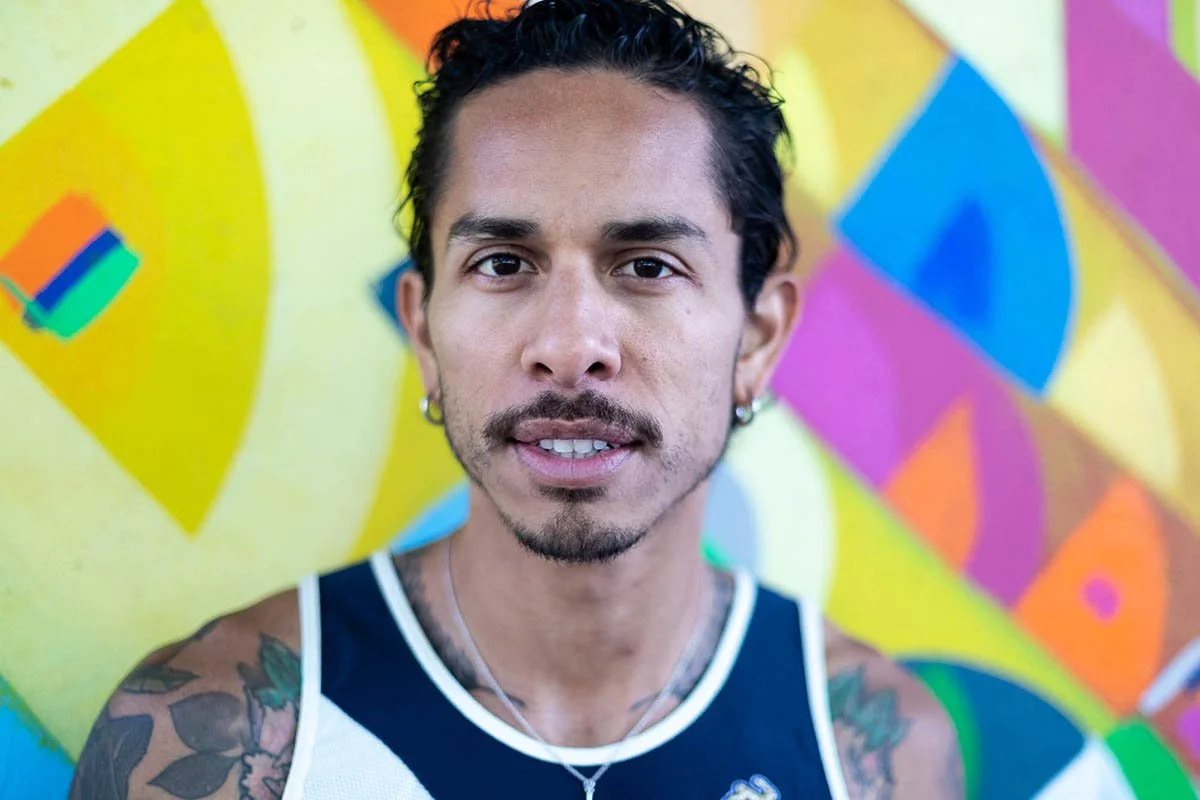
Gabriel’s relationship with movement has always been connected to survival, self-discovery, and change.
Growing up as a gay boy in a conservative Christian home and church, Gabriel often felt that he had to find his own way to breathe. Running became one of those ways. It gave him space, quiet, and control when life around him felt heavy.
Today, he runs six days a week, often covering around 100 kilometres. But the distance is only part of the story. For Gabriel, running is therapy, meditation, and a way to return to himself.
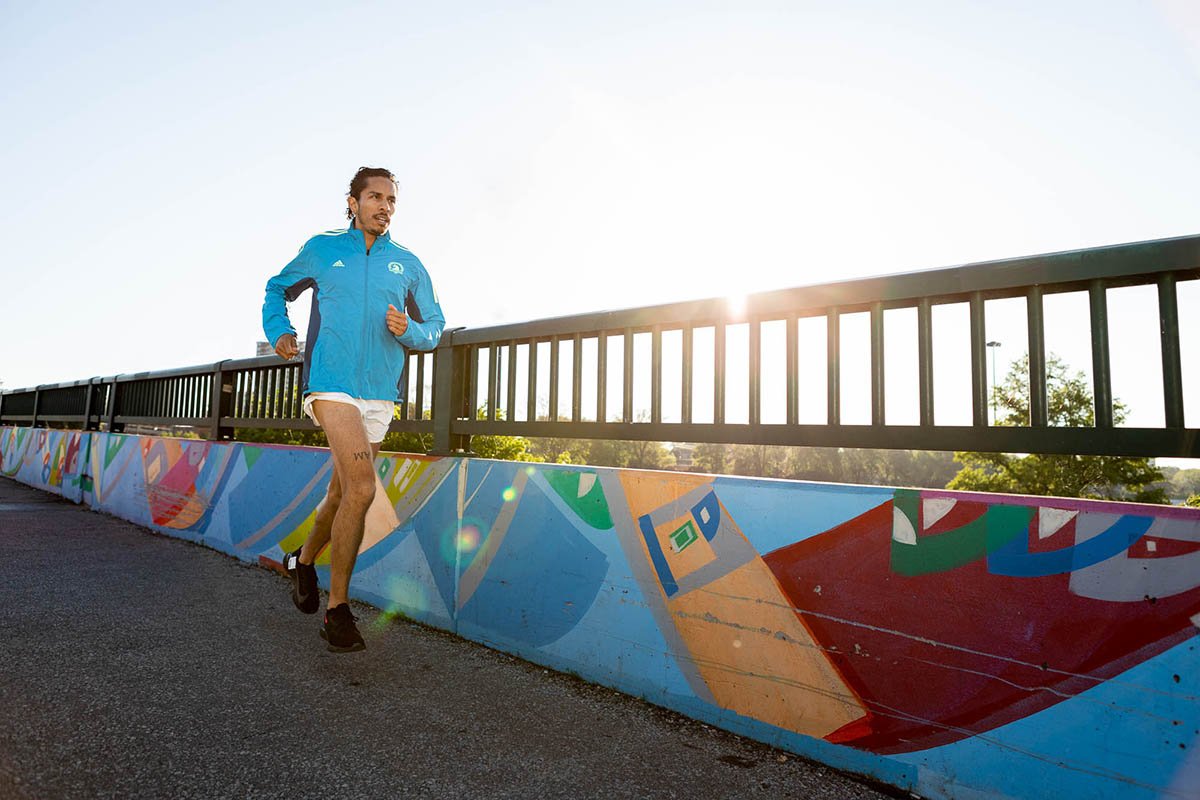
As a university student, Gabriel also struggled with body image. He tried to change his body and bulk up because he thought that was what he was supposed to want. Eventually, he found his way back to running, not as a punishment or a way to change himself, but as a practice of self-love.
Running helped him feel at home in his body again.
Gabriel’s story also includes his work as an HIV advocate. Living with HIV did not stop him from moving. Instead, it became part of a larger message: that HIV does not define his strength, his future, or his ability to live fully.

Through Positive Youth Outreach at the AIDS Committee of Toronto, Gabriel used his voice and experience to support others. Movement and advocacy became connected. Both were about visibility. Both were about showing up. Both were about making space for people who are often misunderstood or judged.
“Once you find something you love, you’re happy,” Gabriel says. “You also have the power to inspire others.”
That is what running has become for him: a way to care for his mind, challenge stigma, connect to community, and remind others that they are not limited by the stories the world tells about them.
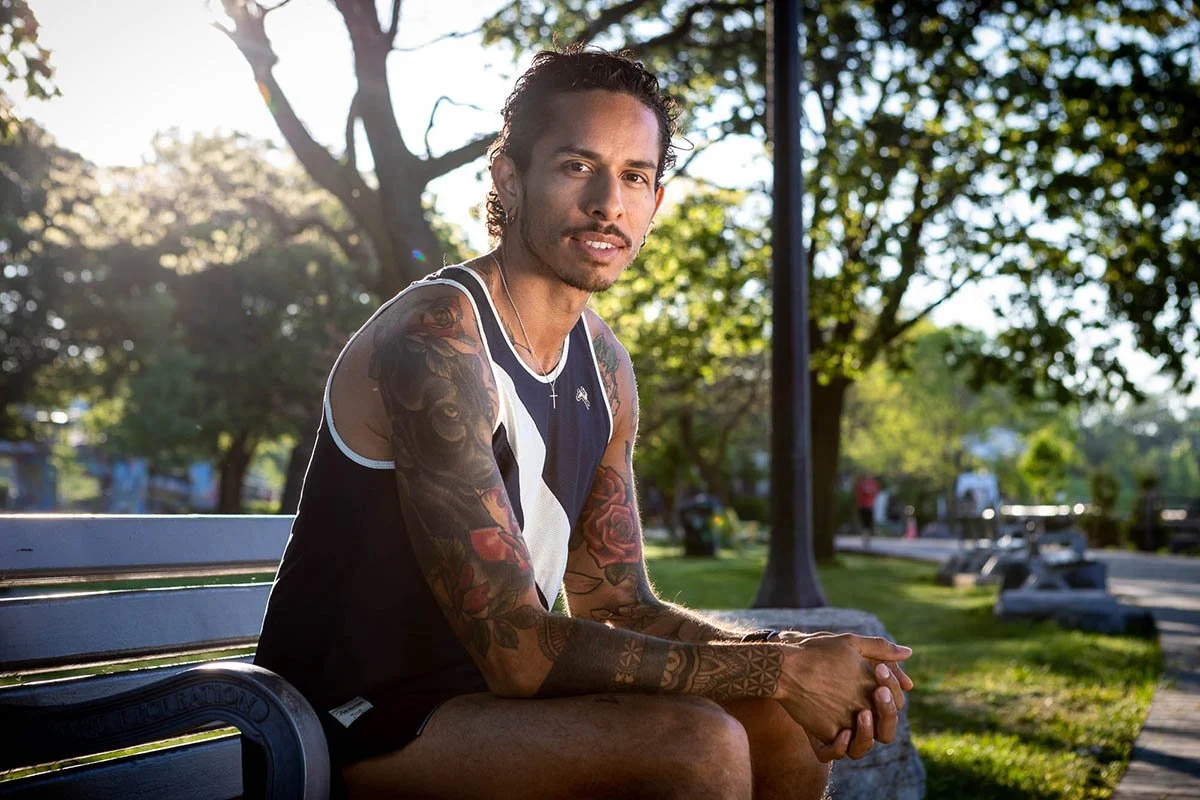
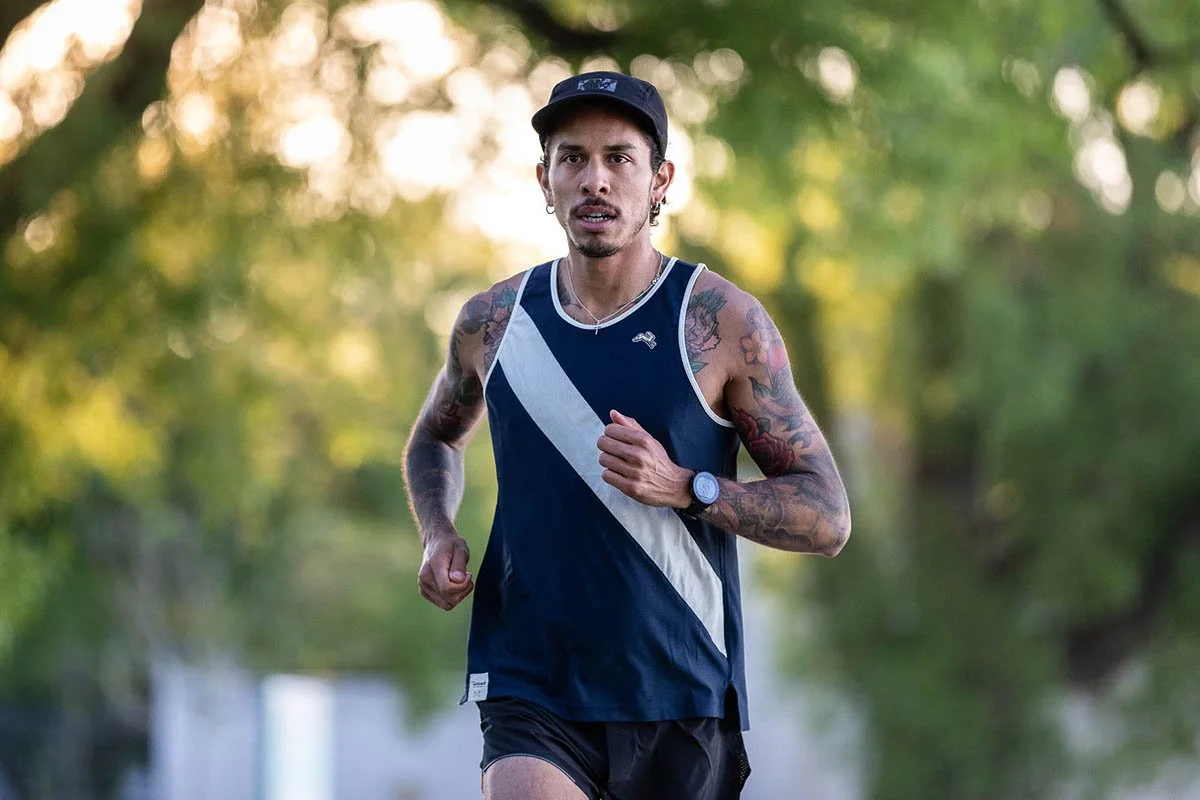
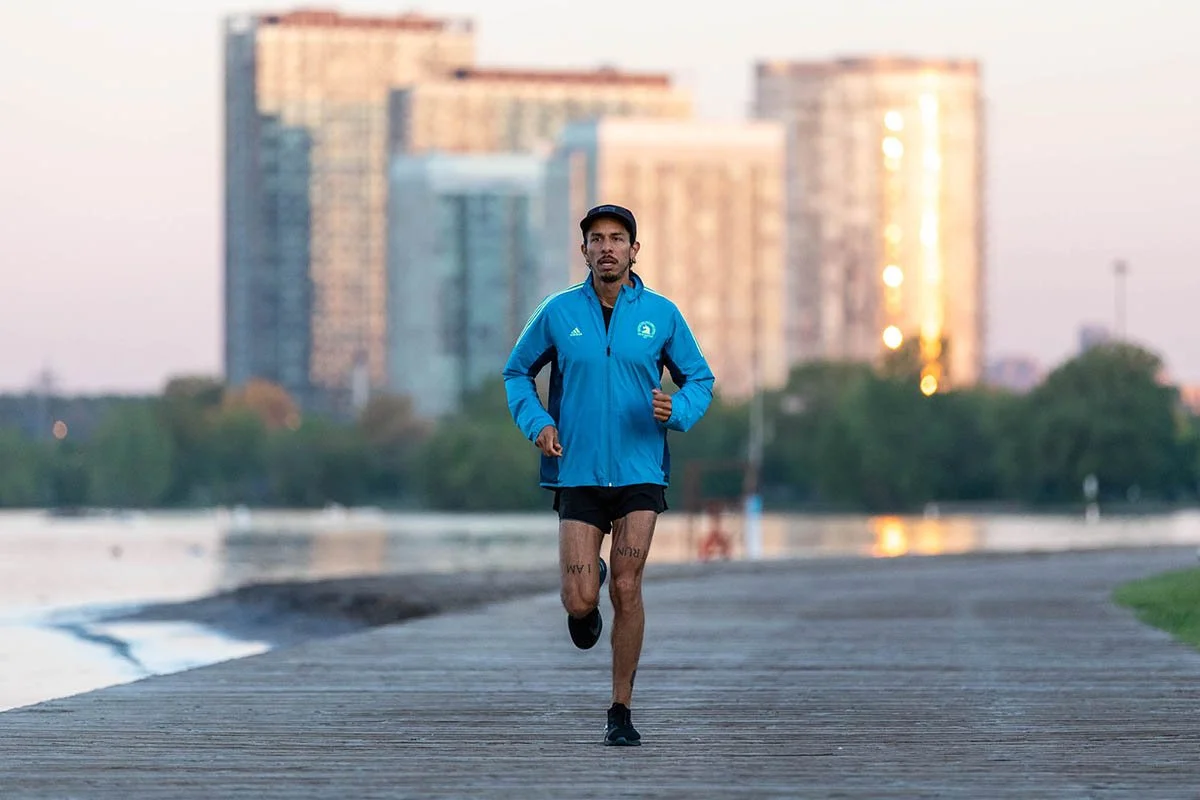
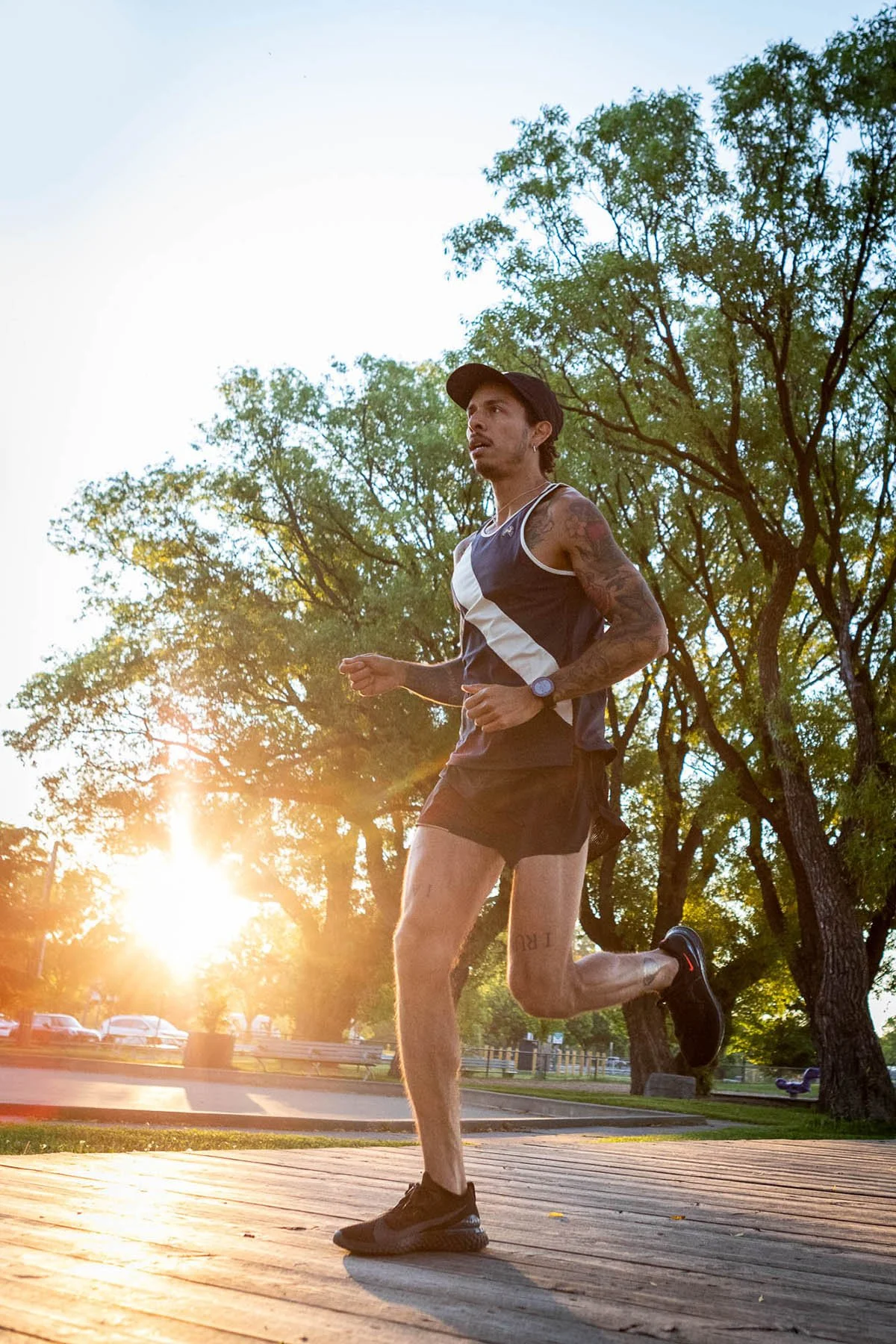
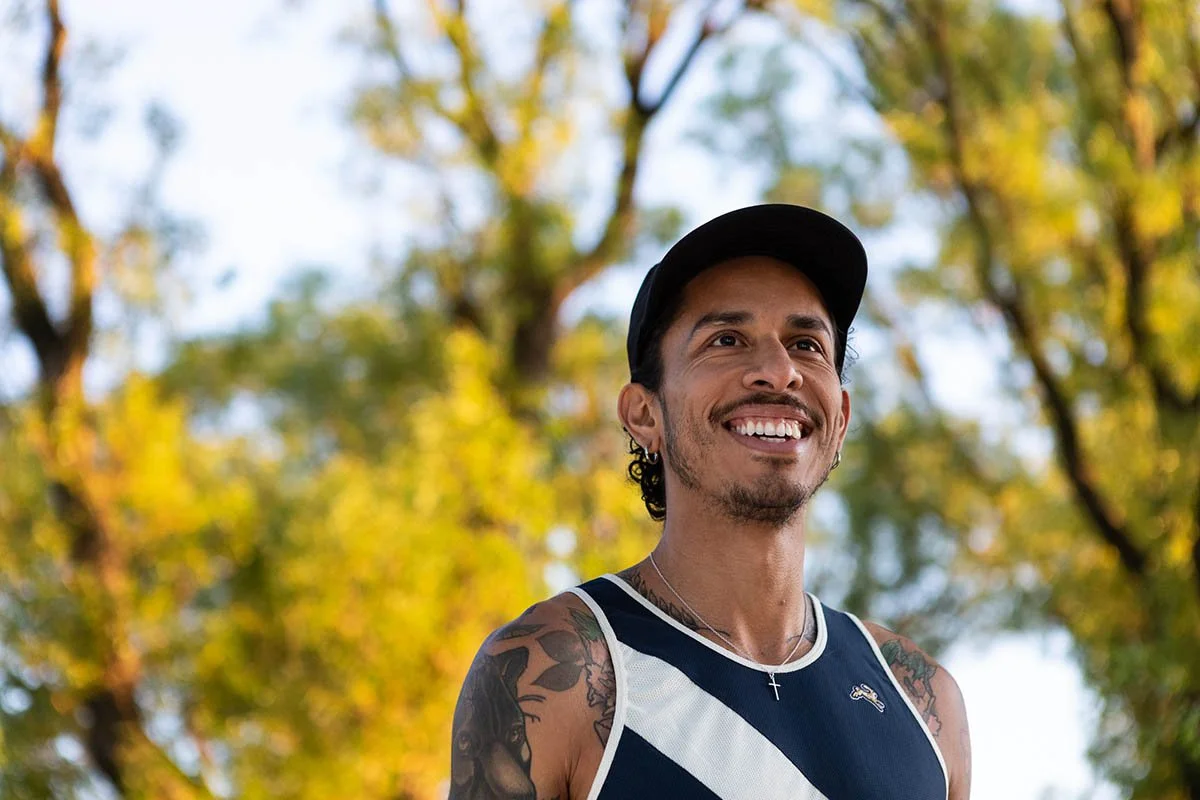
For Gabriel, movement is not only personal. It is political, emotional, and communal. It is the act of continuing, even after pain. It is the belief that one person’s story can open a door for someone else.
Gabriel moves for change.