Madhu moves for community

I would rather do an activity with a group of people. That has been my personality.
— Madhu, 49

Madhu has chased big endurance goals across oceans, deserts, and local lakes, but he measures success by something else. For him, movement is a social language, a sunrise habit, and a way to build the kind of community that makes hard things possible.

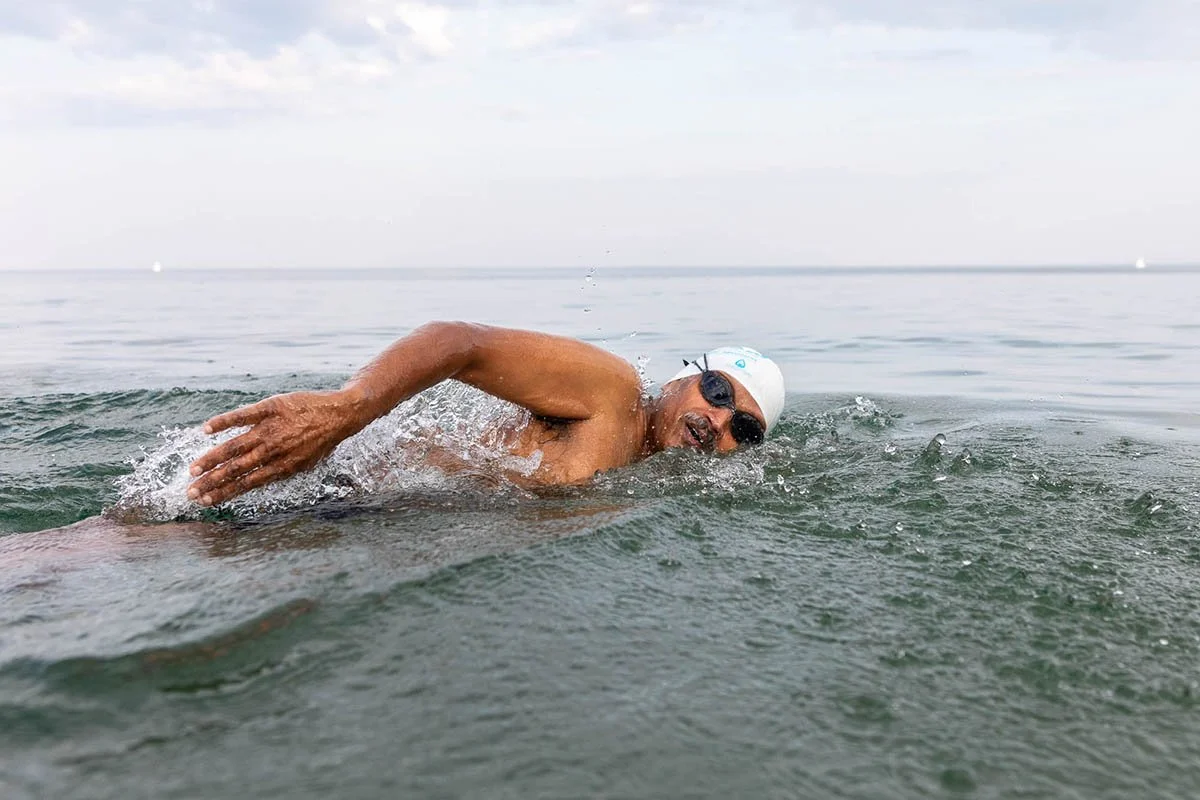
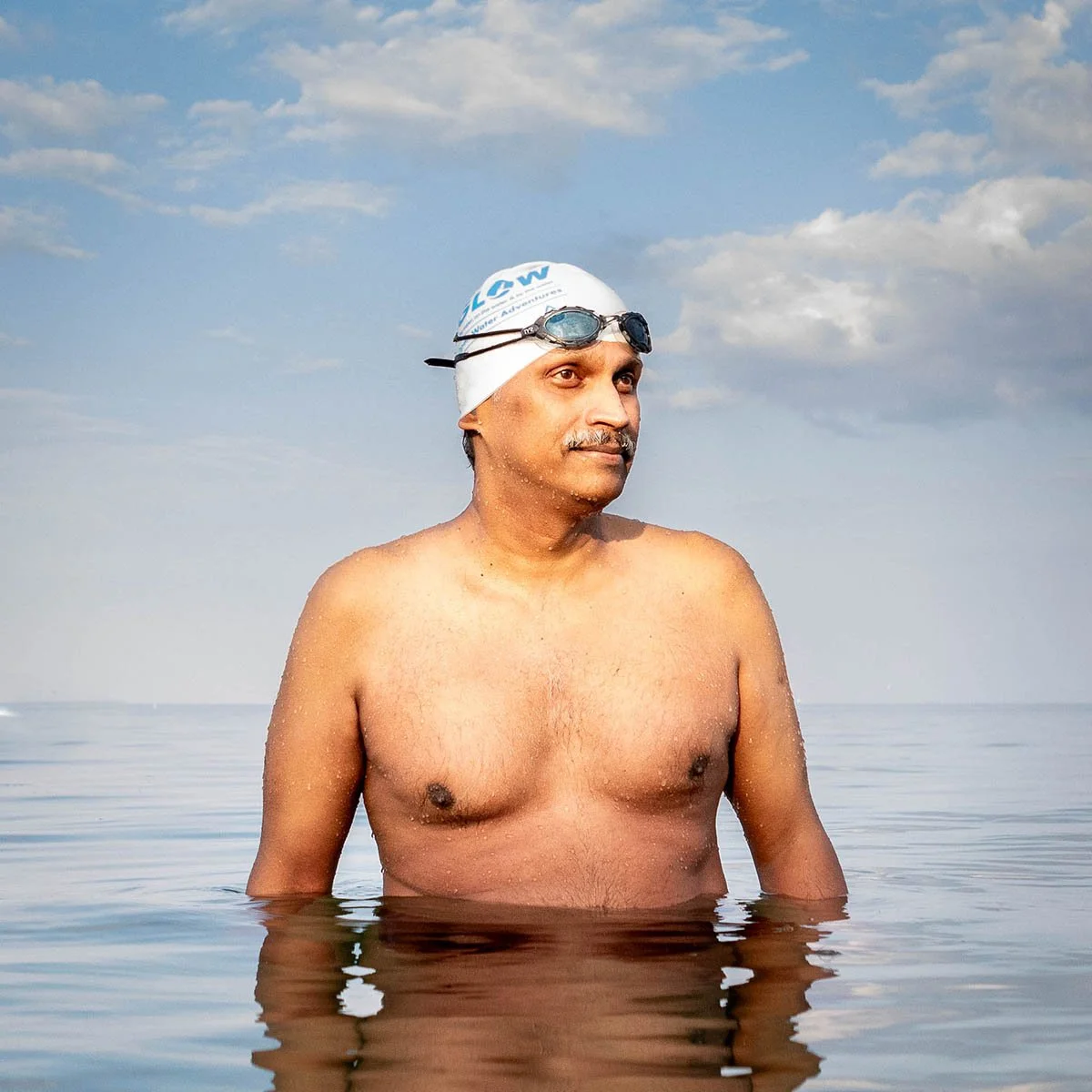
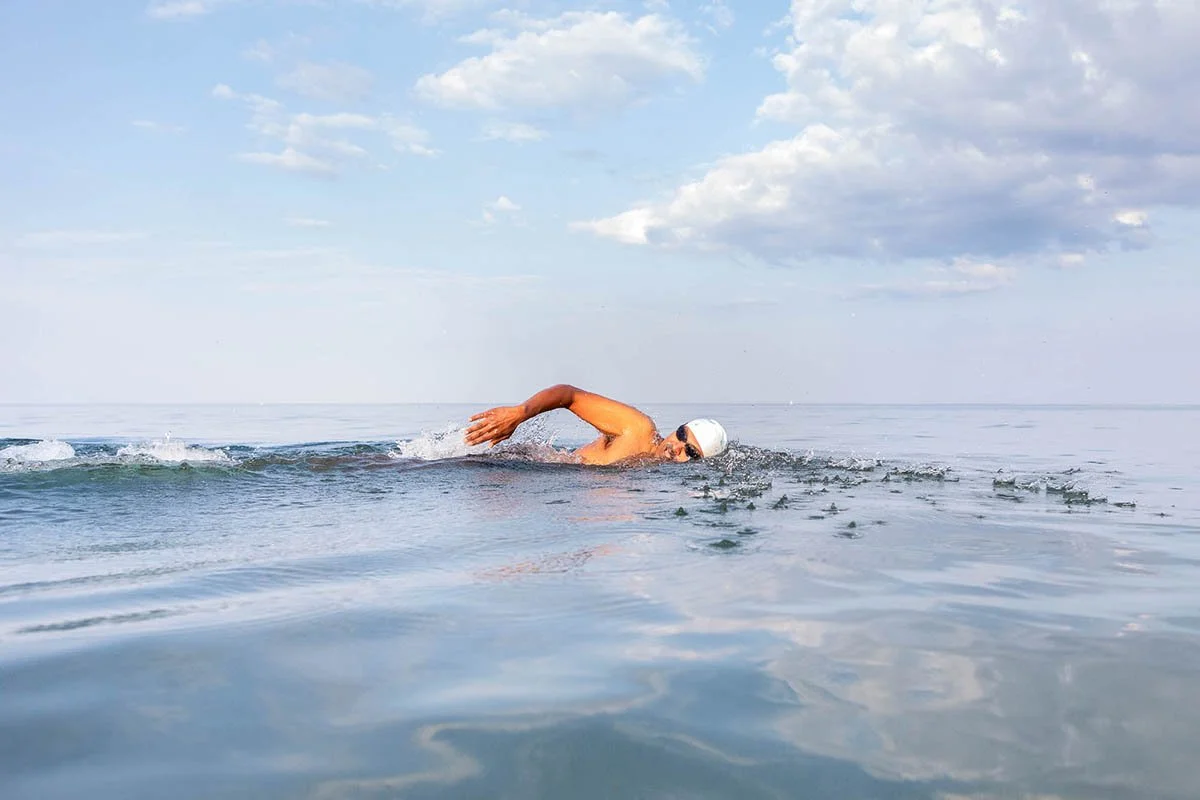
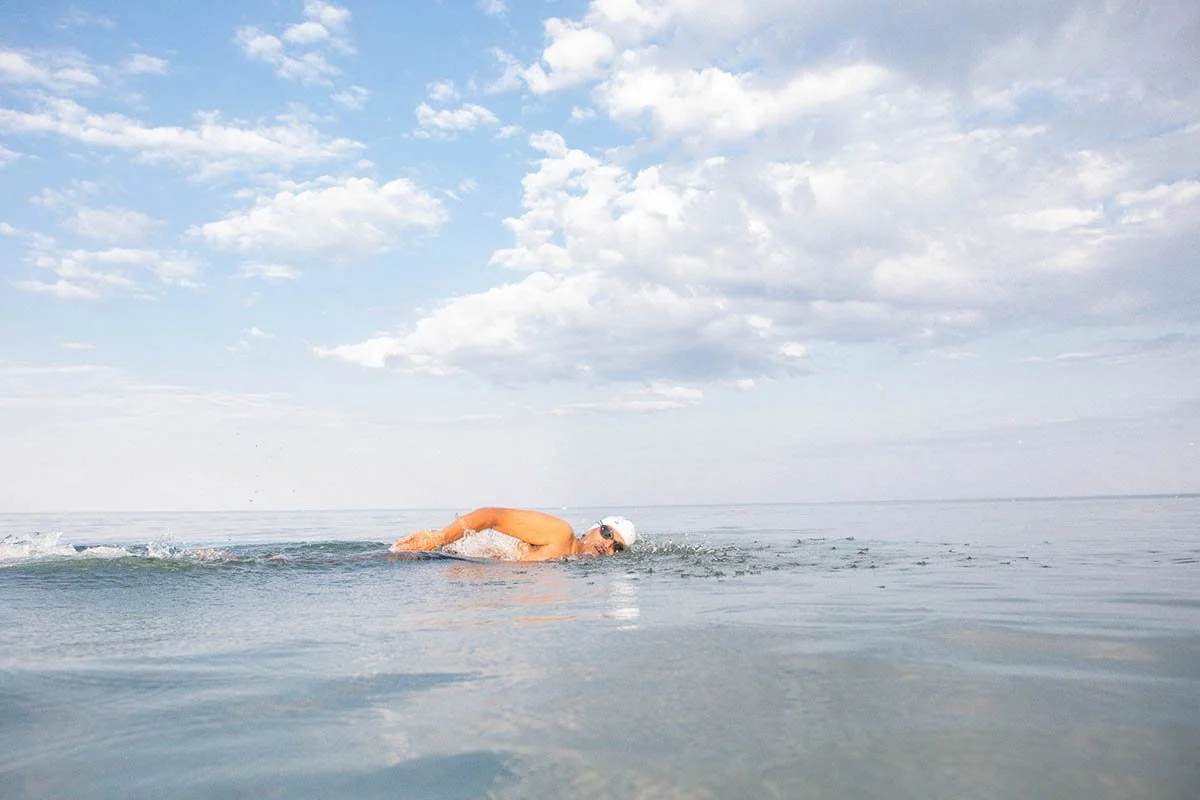
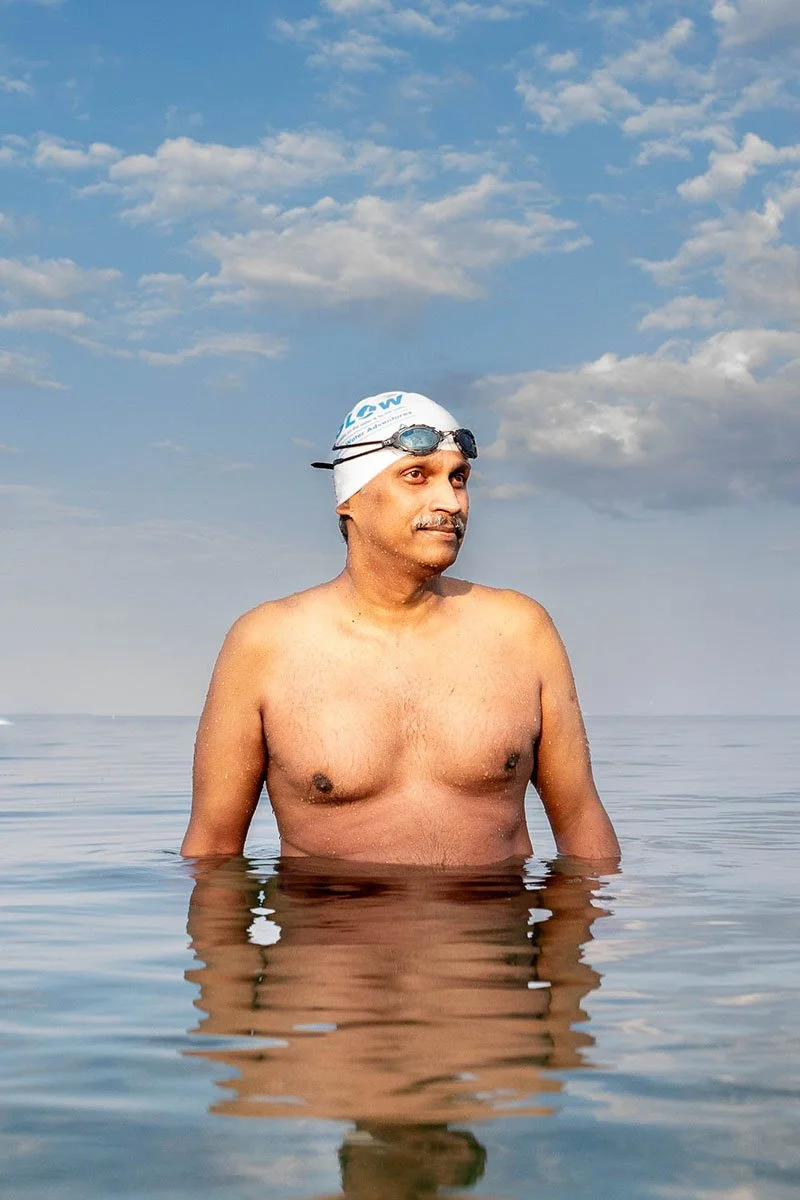
Madhu swims in open water wearing a swim cap and goggles.

Madhu has spent most of his life around sport, but he does not treat movement like a checkbox.

He grew up a high performance swimmer, training with intensity through school and university in India. Swimming began as a skill he learned in grade three or four, then became competitive in grade ten when he joined a swim club in Mysore. The reason was practical at first: he lived close to a 50 meter pool. The outcome became personal. Madhu says swimming shaped parts of him that school did not teach, including leadership and how to handle difficulty.

Even though swimming is often called a solo sport, Madhu never experienced it that way. In the pool, there was always someone beside him. “Although people think that swimming is a solo sport, it’s not,” he says. “There is always another person pushing you,” he says. That social edge became part of his identity, and it still is.

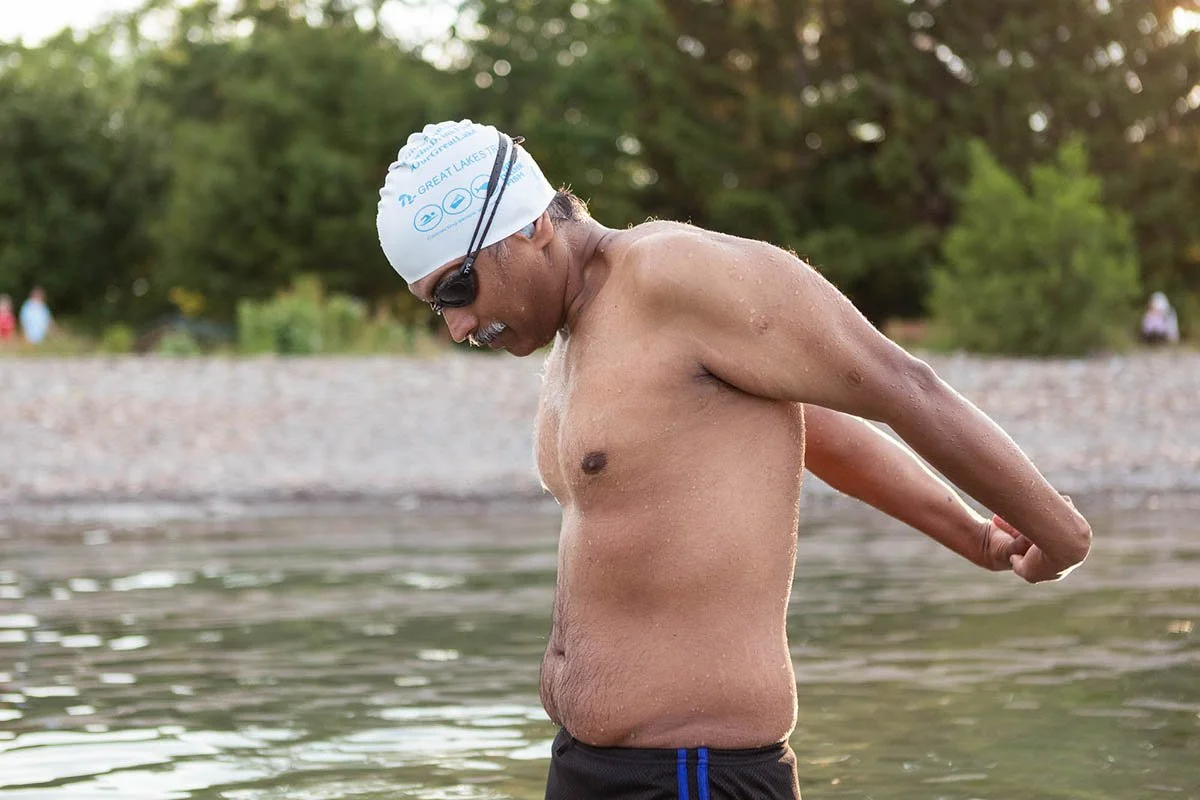
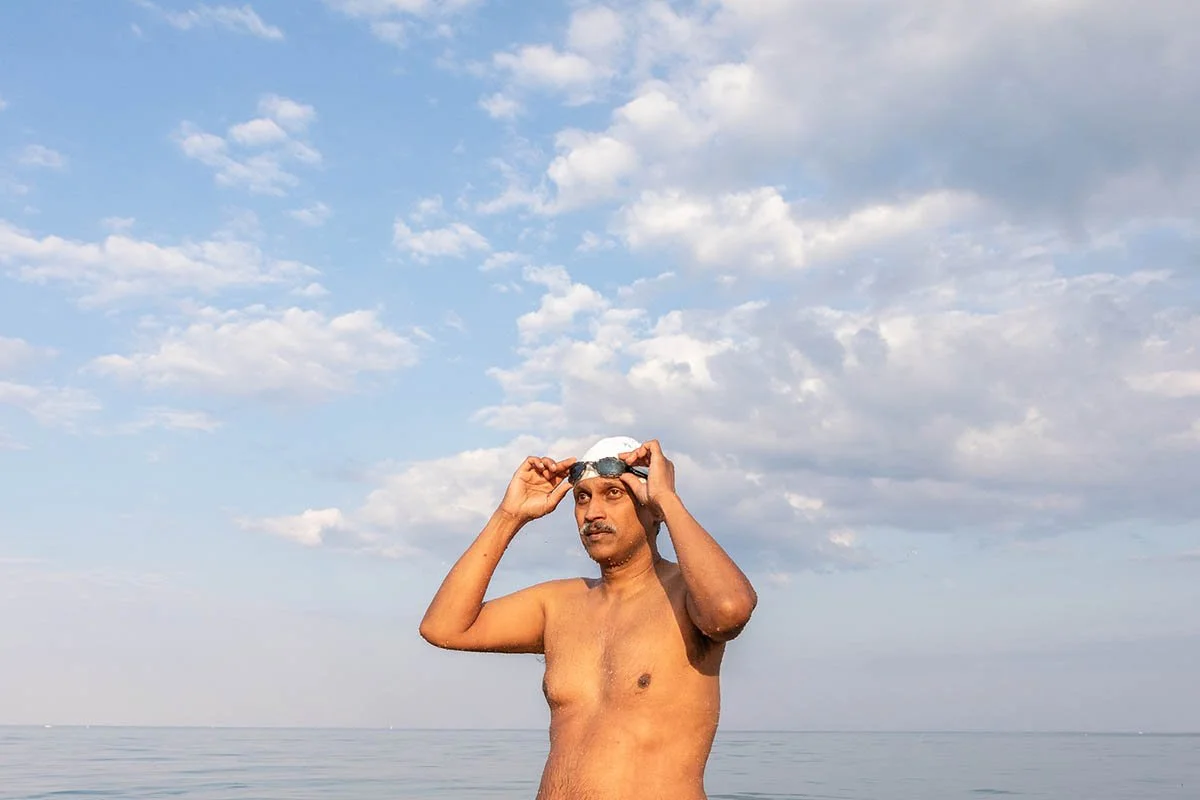
Madhu prepares swim gear on the shoreline before a group session.

Today, Madhu describes physical activity as a mental state and a balancing force. He does not feel miserable if he misses a session. He also does not love doing it alone. “I don’t feel great doing it by myself,” he says. “That’s not me,” he says. “I would rather do an activity with a group of people,” he adds. As an only child who craved friendship, the community side of sport matters as much as the training.

Madhu became an open water swimmer later, after life forced a reset. In 2001, while working in California, he lost his job when the economy turned and his work visa situation changed. To stay steady, he joined a local masters swim team. With the ocean nearby, he stepped into open water for the first time in May 2003. “The very next year I swam across the English Channel,” he says. Open water became the place where he broke his own boundaries and began traveling the world through endurance.

The list of events can sound extreme from the outside, and Madhu knows that. English Channel. Lake Ontario. The Marathon des Sables in the Sahara. The Strait of Magellan, with its cold and unpredictable conditions, which required nearly a year of focused training and even included a failed attempt that forced him to come back and try again. But Madhu’s story is not built around speed or status. “Most of my athletic goals are not traditional,” he says. “I don’t crave speed,” he says. “I would rather hang out with a group of fun people in the water or in a race,” he says.

He learned that clearly in the Sahara. When he raced alone, he felt miserable, so he changed his approach. He slowed down to stay with others, shared stories, laughed at the pain, and made memories that lasted. In Madhu’s world, that is the point.

Even his training reflects the same values. He says he never trains alone and always has someone with him. As he has gotten older, his focus has shifted toward strength and staying injury free. He pays attention to weak points and trains for the demands ahead, including terrain for a current goal: a 100 mile run in the Rockies. He is also managing type 2 diabetes and treats it as something to work with, not something that ends his athletic life. He is intentional about habits, training, and diet to optimize blood sugar and reduce medication when possible.

What inspires him most is not an obsession with exercise. It is the combination of nature and friendship. At sunrise, he often goes for a dip in the lake, and he says it resets him for the day. He swims with friends, laughs with them, and talks through the world. With most of his family living in India, his friendships also carry the weight of support. “I depend on a lot of friends for moral support,” he says.

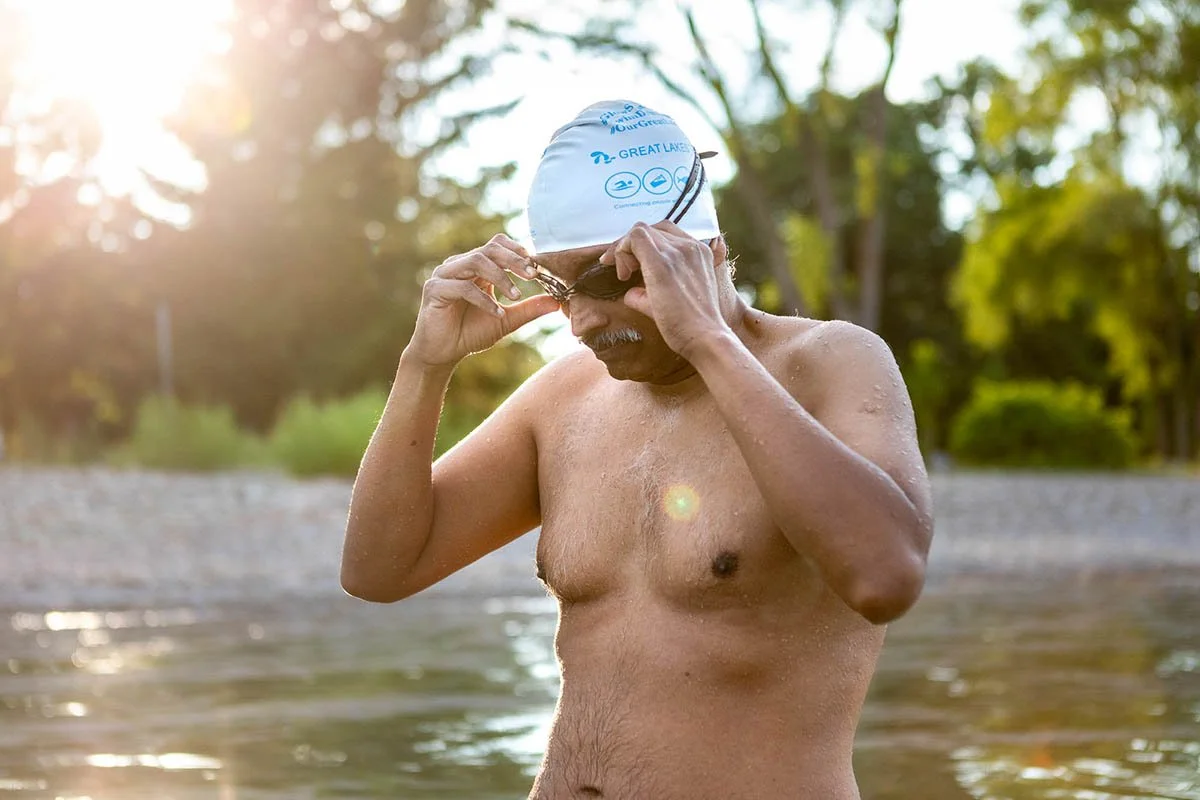
Madhu stands at a lakeshore at sunrise before an open water swim.

Madhu’s favorite moments in sport are the ones that become shared stories. He describes his big endurance efforts as community projects, from Lake Ontario to the Strait of Magellan, where groups of people helped him train and showed up to keep him safe. He jokes about it with honesty. He says he creates community so he can pull energy from it to get to the finish line. Then he says the truth underneath the joke: it has never been a solo experience. “My family are all my crazy friends,” he says.

And he is grateful for the people who keep him grounded. He credits his wife’s ability to handle life with steadiness, and the example set by his parents, along with the extended network of friends he calls inspirational.

Madhu moves for community because community is how he survives the hard parts, and how he makes the whole thing worth doing.

Madhu moves for community.

Who are your “crazy friends” that make hard goals feel possible, and who are you building that for? Share your story here!

Previous
Previous

Andrew and Maria move for freedom

Next
Next

Gledis moves for steadiness